Cycling Hydration: How Much to Drink on the Bike
It usually goes like this. Its 9am, you roll out your bike on the perfect Summer morning. A light tailwind, the sun on your back, legs feeling good. Two hours in you're climbing out of a deep Cornish valley, your bottle's been empty for half an hour, your heads pounding, and the last 12 miles home feel like the worst ride of your life. Almost every cyclist worth their grease has had that exact nightmare ride, and almost every one of them, when they reflect, will admit they didnt drink anywhere near enough water.
Hydration is undoubtedly the most boring and overlooked topic in cycling, but also quietly ruins more rides than punctures, mechanical issues and bonking combined. The good news is, its genuinely pretty simple to get it right once you know the numbers. Here's everything worth knowing, without the marketing fluff. That comes later! *wink wink.
Why Hydration Matters More Than You Think
Lose around 2% of your bodyweight in sweat and your power output drops by roughly 10%. Lose 4% and your looking at heat exhaustion, cramps, headaches, and the kind of fatigue that lingers for a few days. For a 75kg rider, 2% is about a litre and a half of sweat. On a warm UK summer ride at moderate intensity, you can hit that in well under two hours. The frustrating part is most riders don't neccessarily feel the effects of dehydration until its too late. The homeostatic process of thirst isnt as forthcoming as the feel of hunger, by the time you feel you really need a drink, you've already given away the watts you can't get back during that ride.
How Much Should You Actually Drink?
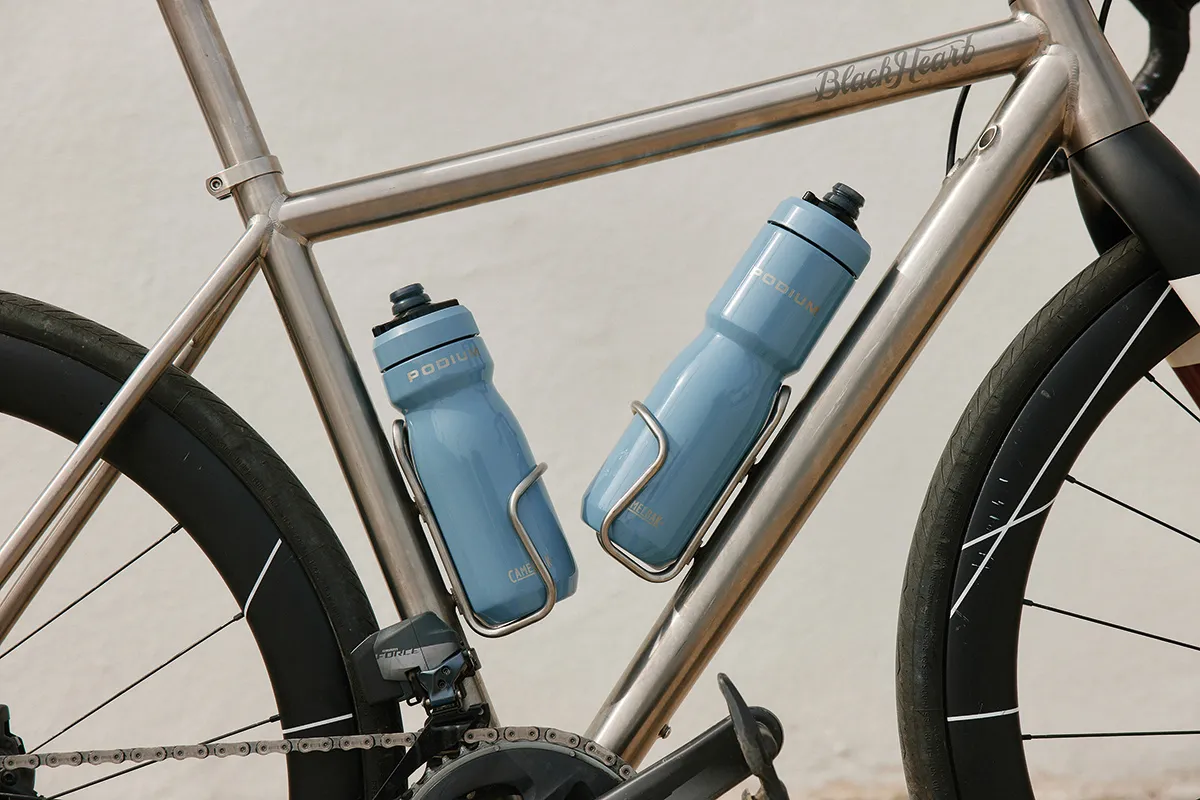
The honest answer is "it depends", variables matter when it comes to hydration, such as the weather, the ride intensity, your body size, and how much you perspire. However there are universal rules of thumb. For most riders in typical UK conditions, 500-750ml per houris a sensible baseline. On a hot day, with hard effort, or if you're a heavy sweater, that amount can push up towards 1 litre per hour. In cooler conditions you can get away with drinking less, but rarely less than 400ml per hour on rides that are over an hour long. A standard cycling bottle holds 500-750ml of liquid. So on a two-hour ride in Summer you need two bottles, minimum. On a four-hour ride you need a refilling plan, somewhere to stop and top up, or a hydration pack with the volume to carry all your required liquid. If you're heading out on anything longer than 90 minutes and your bike only has one bottle cage, fit a second one. It's a five-minute job and one of the highest-impact upgrades you can make. We stock bottle cages from a fiver upwards.
Work Out Your Sweat Rate (It Takes One Ride)
If you want to stop the guesswork, do this once and you'll have a number to work off for years:
- Weigh yourself with minimal clothing before a ride, preferably in the morning. Record weight.
- Ride for exactly one hour at your standard effort, drinking a measured amount (say, 500ml).
- Once you return, weigh yourself immediately after, again with minimal clothing. Record weight.
- The weight you've lost in KG, added to the amount you've drank, equals your sweat rate per hour.
So if you lost 0.6kg and drank 0.5L, your sweat rate is 1.1L per hour. That's now your hourly target on similar rides. Repeat the test in different conditions, a cool spring ride and a hot July ride will give you very different numbers.
Most cyclists who do this for the first time are surprised. It's almost always more than they thought.
Water, Electrolytes, or Energy Drink/Gel
This is where alot of cyclists overcomplicate things. Here's the simple breakdown.
Under an hour, cool weather, easy effort:plain water is fine. You're not going to lose enough salt or burn enough glycogen to need anything else.
Over an hour, or warm conditions, or hard effort: add electrolytes. You need to replace the sodium you're sweating out, not just the water.
Over two hours, or hard sustained effort like a sportive: you need carbohydrate as well as electrolytes. This is where energy drinks or carb mixes earn their place.
We stock a decent range of cycling nutrition including STYRKR, which makes some of the best UK-developed carb and electrolyte mixes. Tabs that drop into a bottle are the convenient option; powdered mixes give you more flexibility on dosing.
The Sodium Issue Most People Get Wrong
Sweat is salty. You probably knew that, however what most riders dont realise is how much sodium they're actually losing, and how little is in the average electrolyte tab. A typical sweaty hour riding costs you somewhere between 500mg and 1500mg of sodium. Many supermarket electrolyte tabs contain 200-300mg per bottle, you can see the problem. If you're cramping in the latter half of long rides, have a headache, or feel strangely flat and tired the day after, low sodium is often the culprit. The best practise is looking for products with 300-600mg of sodium per serving. Heavy sweaters, or anyone riding long distance in really hot conditions could go higher still. This isn't an excuse to throw salt at every ride. For an easy 90-minute spin in March, water's fine. But know your numbers and dose properly when it matters.
Bottles vs Hydration Packs
Both have their place. The right choice depends on the riding you're doing.
Bottles work for the vast majority of road, gravel and shorter MTB rides. They're easy to refill, easy to clean, and easy to share with a mate who's run dry. Two bottles will cover most rides up to two hours in summer. For sportives or long gravel days, plan your refill stops.
Hydration packs come into their own when you can't easily reach a bottle (technical MTB), when you need more volume than two bottles allow (bikepacking, long backcountry rides), or when you simply prefer hands-free sipping. The downside is weight on your back, and they're a faff to clean if you forget about them after a ride.
For most people who already own a road or gravel bike, a second bottle cage is the cheaper, simpler upgrade. For mountain bikers heading out for three-hour shreds at Bodmin or Cardinham, a hydrations pack is hard to beat.
Pre-Ride and Post-Ride Hydration
Two quick rules that make a bigger difference than anything you do on the bike.
Start hydrated. Have a 500ml drink with electrolytes in it about an hour before you set off. Pee, check it's pale yellow (not clear, not dark), and you're good to go. Trying to catch up mid-ride is much harder than starting topped up.
Rehydrate properly after. Especially after long or hot rides. Aim to drink about 1.5 times the fluid you lost, so if you finished 1kg lighter than you started, drink 1.5L over the next few hours, with electrolytes in at least the first bottle. This is when proper recovery happens.
A small habit that pays off: keep a bottle made up with electrolyte mix in the fridge ready for when you get back. After a hot Saturday ride you'll drink it before you've even taken your shoes off.
Warning Signs to Watch For
If you spot any of these mid-ride, ease off and start drinking properly:
- Headache that wasn't there at the start
- Cramping, especially in legs that aren't usually crampy
- Really heavy leg muscles
- Feeling unusually tired for the effort
- Dark, strong-smelling urine at your next stop
- Stopping sweating despite the heat (this one's serious, get into shade and cool down)
In summer especially, don't push through. A 20-minute café stop with two bottles of water and a salty snack will turn a ride around. Carrying on, hoping it'll pass usually makes it worse.
Hydration FAQ
How much water should I drink on a 2-hour bike ride? Around 1–1.5 litres for most riders in UK summer conditions, more if it's hot or you sweat heavily. Two full 750ml bottles is the safest plan, with electrolytes in at least one of them.
Do I need electrolytes for a short ride? For anything under an hour in mild weather, plain water is fine. Over an hour, or in heat, electrolytes start to matter. Over two hours, they're essential.
What's the best drink for cycling in hot weather? A proper electrolyte mix with at least 300-600mg sodium per serving, ideally with some carbohydrate if you're riding hard or for over 90 minutes. Plain water alone in extreme heat can actually make things worse by diluting your remaining sodium.
Can you drink too much water on a bike ride? Yes! it's called hyponatremia and it happens when you drink large volumes of plain water without replacing sodium. Rare in the UK but worth knowing about. The fix is simple: don't rely on water alone for rides over two hours.
Should I drink before I feel thirsty? Yes. Thirst lags behind actual dehydration by 30–60 minutes. Set a habit of a couple of mouthfuls every 15 minutes from the moment you roll out.
Does coffee count? Sort of. The caffeine has a mild diuretic effect but the fluid still counts overall. A pre-ride espresso isn't going to dehydrate you. Just don't replace your morning water with three flat whites and call it hydrated.
The Short Version
Drink before you're thirsty. Aim for 500–750ml an hour in normal conditions, more in heat. Use electrolytes for anything over an hour, and proper carb-and-sodium mixes for anything over two. Fit a second bottle cage. Start the ride topped up and rehydrate properly afterwards.
It's not glamorous, but it's the difference between finishing strong and limping home wondering why you ever signed up for this hobby.
Need the kit? Have a look at our full range of bottles and cages, hydration packs, and cycling nutrition including STYRKR mixes. If you're not sure what suits your riding, pop into the shop in Summercourt or call us on 01872 487199 we're happy to talk you through it.
If you're noticing persistent discomfort, cramping, or fatigue that doesn't seem to match the effort, it might not be hydration alone. A proper bike fit often unlocks more comfort and performance than any nutrition tweak. Always worth a look!
By Dan Regan - Clive Mitchell Cycles | Published May 14, 2026